Cooling System

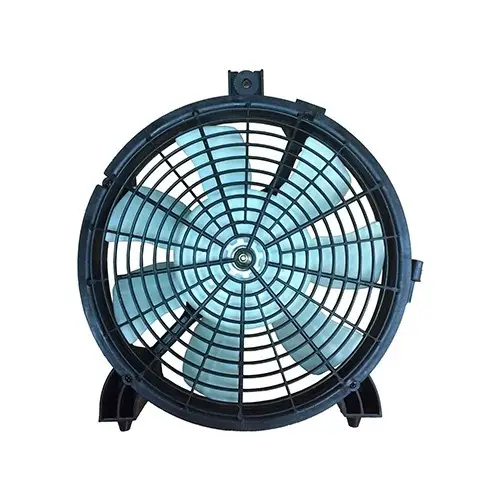
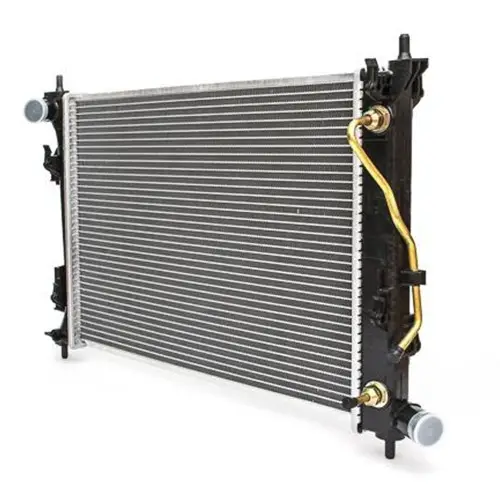
The automotive cooling system is a set of components designed to dissipate the heat generated by combustion and internal friction within the engine, ensuring it operates within the optimal temperature range, typically between 85°C and 105°C. This thermal regulation is essential to prevent mechanical failures, premature component degradation, and energy efficiency losses.

Thermal Sensors

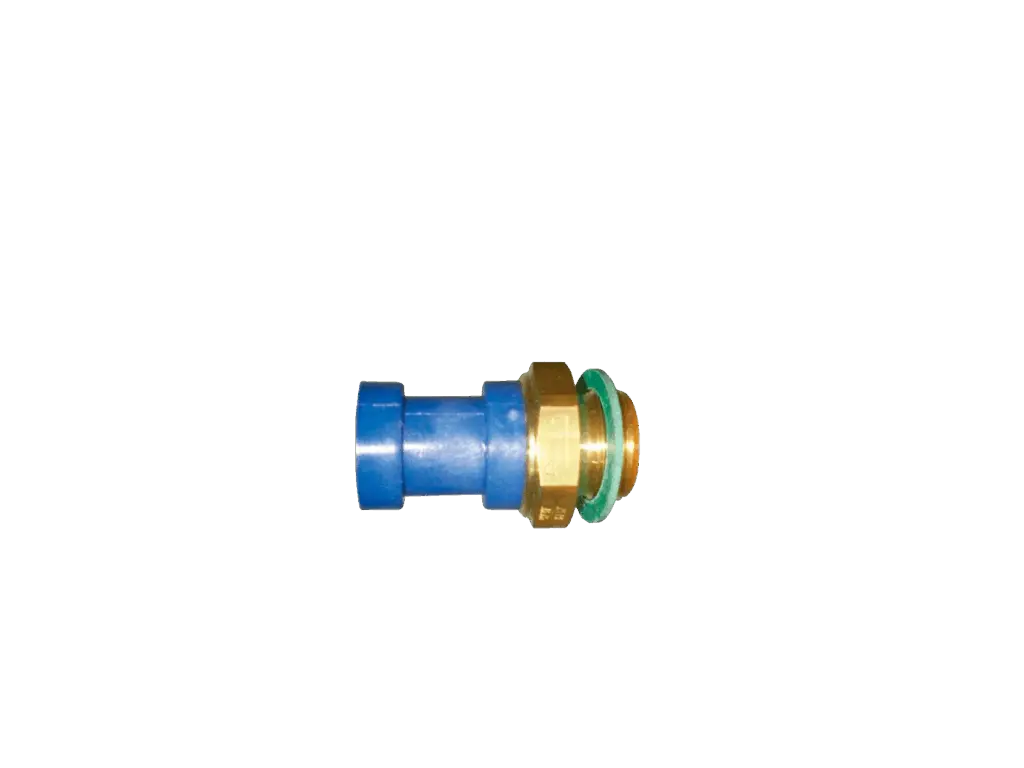
Engine Coolant Temperature Sensor (ECT) – Monitors coolant temperature and transmits data to the ECU, allowing adjustments to the air/fuel mixture and activation of cooling components such as the fan.

Air Conditioning System

The proper functioning of the cooling system is crucial for thermal efficiency, engine durability, and performance, preventing severe damage such as overheating, cylinder head warping, and gasket failure.

Switches

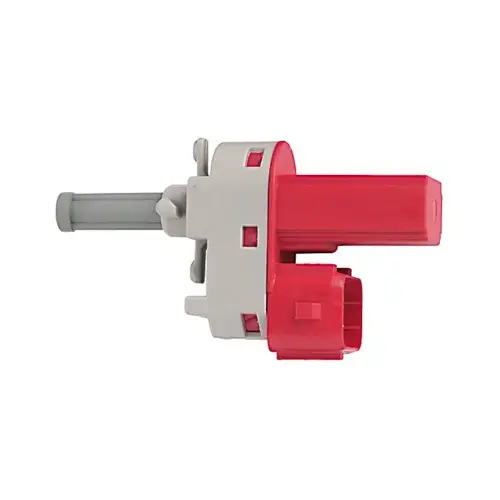
The clutch switch signals when the clutch pedal is pressed, allowing you to start and stop the vehicle safely. It also warns that the engine will be relieved, that is, that less fuel will be injected and that the speed will be reduced.

Plastic Line

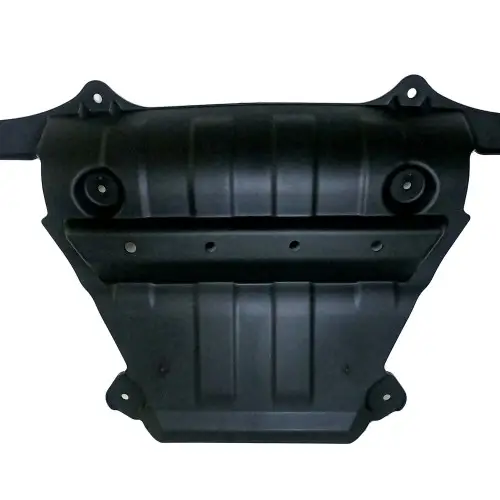
It helps prevent objects thrown onto streets, avenues and highways from reaching the oil pan, where the lubricating oil is stored. If this compartment breaks, the oil can leak, causing various problems to the vehicle, such as, in more extreme cases, the engine breaking.

Reservoirs

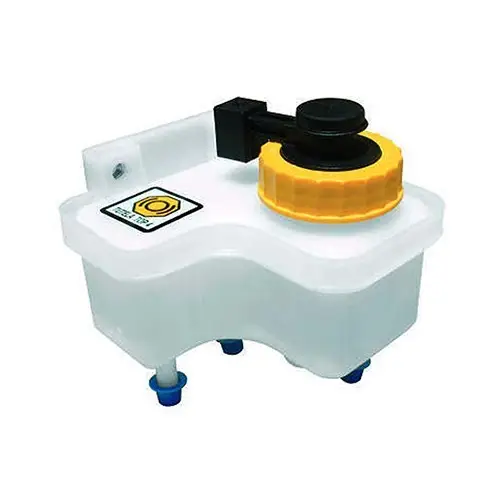
Keeping the oil and coolant reservoirs in good condition is essential for the proper functioning and longevity of the engine. Over time, these components can wear out, accumulate impurities, or develop leaks, compromising the vehicle’s lubrication and cooling systems. Preventive replacement ensures optimal system performance, prevents overheating, and reduces the risk of serious engine damage. Taking care of these details is an investment in long-term safety and cost-efficiency.

Belt

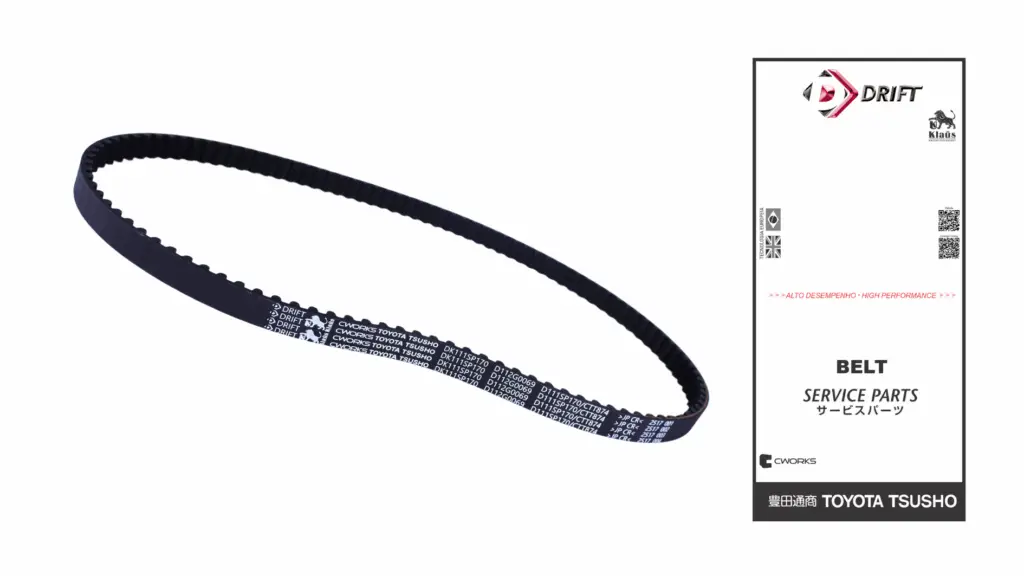
Your car’s timing belt, especially the timing belt, is crucial to the proper functioning of your engine and the safety of your vehicle. It synchronizes the movement of the crankshaft with the camshaft, ensuring that the valves open and close at the right time. A damaged or broken belt can cause serious damage to your engine, including bent valves, broken pistons, and even the need for a complete engine replacement.